The Lodge, also known as a “Blue Lodge”, serves as the basic organizational unit within the fraternity of Freemasonry. Its activities are centered around fostering brotherly love, relief, and truth.
Brotherly Love
Freemasonry promotes a sense of brotherhood and camaraderie among its brethren. The idea of working together as a team and supporting one another is integral to Masonic principles. All brethren are equal within the Lodge. Regardless of social, economic, or cultural differences — the Lodge’s diverse brethren is expected to treat each other with respect and brotherly love. Masons support each other in their personal and professional lives, creating a network of mutual assistance. The brotherhood extends beyond geographical and cultural boundaries, creating a sense of unity among Masons worldwide.

Brothers often gather for a meal before and after meetings, practices, degree work, and community service for fellowship and socializing. Masons often communicate via social networking platforms, email, text, and phone calls. Many stories are shared of the history of the Loge, individuals, and sharing support for each other.
Fraternal Visits
Masons are encouraged to visit other lodges within their own jurisdiction and in different jurisdictions to experience different rituals, traditions, and brotherly hospitality. Some lodges have a traveling gavel to promote visitation, that can be claimed if a sufficient number of Brethren from a specific lodge are present at a meeting.

Relief
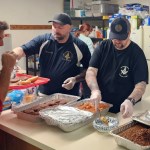
Brethren engage in charitable activities supporting the Lodges’ local community through donations, volunteering, and other forms of assistance. Some examples are:
- Cooking and serving meals at the Warren County Senior Center
- Cooking and serving meals at the Hope and Rest Temporary Shelter
- Ringing the bell for the Salvation Army’s Red Kettle Campaign
- American Red Cross Blood donations
- Marrine’s Toys for Tots toy donations
- Thermal Shelter jacket donations
- C-CAP “Camping for Hunger” food donations
Surrounding lodges may also pool resources to have more impact supporting charitable causes.
Truth
Freemasonry places a strong emphasis on the importance of truthfulness, integrity, and honesty. The Loge encourages Masons to seek knowledge, be honest in their dealings, and strive for personal and moral development.
Secrecy
The Lodge incorporates elements of secrecy into its’ practices for historical, symbolic, and philosophical reasons. It’s essential to understand that the term “secrets” in the context of Freemasonry doesn’t refer to hidden or clandestine activities with negative connotations. Instead, it pertains to certain symbolic rituals, signs, and teachings that are traditionally kept confidential among Freemasons.
Catechism
The practice of one-on-one instruction in Freemasonry, often referred to as catechism or coaching, gives a personalized learning experience. It is an oral tradition that conveys moral and symbolic teachings to new Masons, emphasizing the principles, values, and lessons.
Degree Work
Freemasonry degrees refer to the stages of initiation and progression that a candidate undergoes within the Masonic fraternity. The three primary degrees in Freemasonry are the Entered Apprentice, Fellow Craft, and Master Mason degrees. Each degree involves a ritualistic ceremony that imparts moral and philosophical lessons.
Meetings
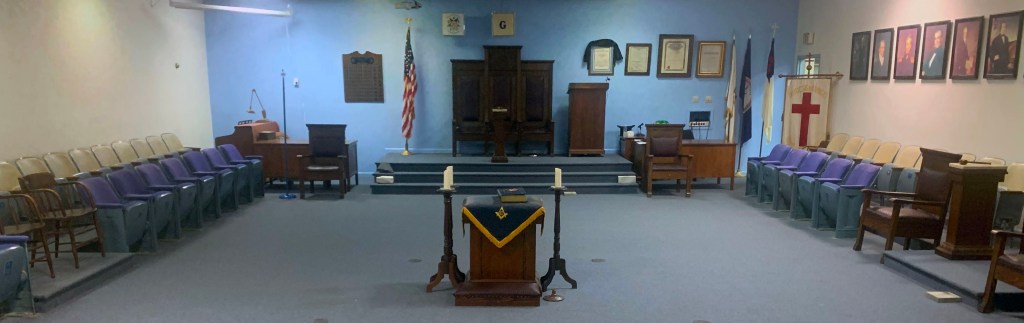

The Lodge has a meeting each month for Master Masons. They are similar to business meetings where the minutes are read, there are updates on membership, and reports on charitable activities, etc. Some of the meetings include education via lectures, presentations, or discussions on symbolic teachings, moral lessons, and philosophical concepts relevant to Freemasonry. Occasionally, some meetings are opened to the public – such as an installation of officers.
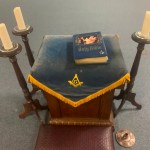
Brethren follow a structured and ritualized format. The Lodge has a volume of Sacred Law on the alter that may change based on the brethren present. Masons begin meetings with a non-denominational prayer and a pledge to the flag of the United States of America.
Public Ceremonies
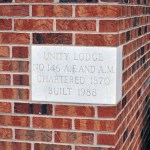
Cornerstone Ceremony
Freemasons have a long tradition of participating in cornerstone-laying ceremonies for public structures, school buildings, and places of worship. During these events, symbolic rituals are performed to lay the cornerstone of a new structure. The Lodge helps to prepare and participates in these rituals.
Officer Installation
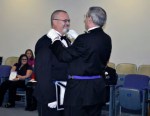
The installation of officers in Masonic lodges is typically a public ceremony. During these events, newly elected or appointed officers are formally installed into their respective positions. Friends, family, and members of the community may be invited to witness the ceremony.
Masonic Funeral
While Masonic funeral services are solemn and private affairs, there are occasions when elements of the funeral service are conducted publicly, especially if the deceased held a prominent position in the community.
Historical Legacy
Freemasonry was first established in Front Royal in 1799, and the Lodge was first chartered in 1870. The Lodge has records going back for many years including its Centennial Observance.
The history of the Lodge holds significance for individuals within the fraternity, as it connects them to the heritage, values, and traditions of Freemasonry. It serves as a source of inspiration, education, and identity, contributing to the overall richness of the Masonic experience.
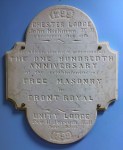
Brethren may occasionally delve into its records looking for a personal connection, cultural and historical significance, preserving traditions, understanding symbolism, masonic education, community engagement, leadership inspiration, promoting lodge identity, or simply to preserve historical documents.
Appendant Bodies
After becoming a Master Mason in a Blue Lodge, Freemasons often have the opportunity to further explore and participate in various aspects of Masonic life. Master Masons have the opportunity to join appendant or concordant bodies, which are additional Masonic organizations that offer further degrees and experiences. Examples include the Scottish Rite, York Rite, Shriners, and more. Although these appendant bodies may have their own degrees, there is no higher degree than the Master Mason’s Degree or 3rd Degree in Freemasonry.
Some appendant bodies such as the Royal Arch and Order of the Eastern Star (OES) also use the Lodge. Although Freemasonry is limited to men, wives have an opportunity to join OES. There are other appendant bodies for children as well.


 Unity Lodge No. 146
You must be logged in to post a comment.