Category: American History
-
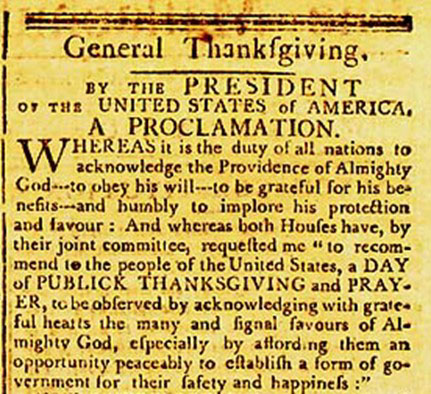
George Washington’s 1789 Thanksgiving Proclamation
In 1789, George Washington’s Thanksgiving Proclamation, lost for 130 years, called for a day of thanksgiving and prayer. It highlights gratitude for the country’s establishment, peace, and the liberties and knowledge enjoyed. It also seeks forgiveness for transgressions and asks for prosperity and wise governance. It is now housed in the Library of Congress. Read more
-
Washington Didn’t write the rules, he lived them
The article commemorates Father’s Day and discusses Washington’s “Rules of Civility & Decent Behaviour.” The author reflects on their relevance in modern society and their origin, emphasizing their role in shaping Washington’s character. The piece urges readers to contemplate and live by these rules, providing a link to an interactive digital version for further exploration. Read more
-
George Washington’s Revolutionary St. Patrick’s Day
George Washington’s troops endured a brutal winter in 1779-1780 at Morristown, New Jersey, where they received only one holiday – St. Patrick’s Day. With a significant number of Irish soldiers, Washington’s decision to grant them a day off showed solidarity with their heritage and was a much-needed morale booster during the American Revolution. Read more
-

Washington’s lesson in leadership
George Washington, a revered Masonic figure, embodied diverse leadership qualities. His spontaneity and creativity, competitiveness, collaborative spirit, and technical expertise set a powerful example. By examining his leadership, Masons gain insights into self-improvement and nurturing strong, unified communities. Reflecting on Washington’s legacy reinforces the commitment to moral and responsible leadership. Read more
-
Thanksgiving Proclamation
In 1789, George Washington recommended a day of thanksgiving and prayer for the people of the United States. He urged the nation to acknowledge and be thankful for the blessings and protection from God, and to seek forgiveness for their transgressions. The proclamation emphasized gratitude, humility, and the pursuit of peace and prosperity. Read more
-
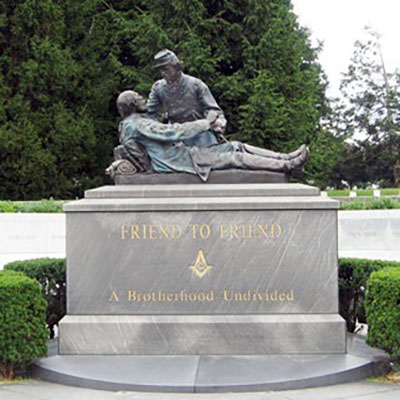
Friend to Friend Masonic Memorial
In 1993, the Grand Lodge of Pennsylvania erected a Masonic Memorial honoring the bonds of friendship between Freemasons of the Union and Confederacy. The memorial depicts the friendship between Union General Winfield Scott Hancock and Confederate General Lewis Addison Armistead, who fought on opposite sides during the Civil War, and their poignant encounter at Gettysburg. Read more
-
Freemasonry & Labor Day: Is there a Connection?
Labor Day, initially celebrated on September 5th, 1882, now falls on the first Monday in September. The holiday’s origins are attributed to labor leaders Peter McGuire and Mathew Maguire. McGuire, a carpenter, expressed sentiments resembling Freemasonry, but neither he nor Maguire had verifiable ties to the fraternity. Read more
-
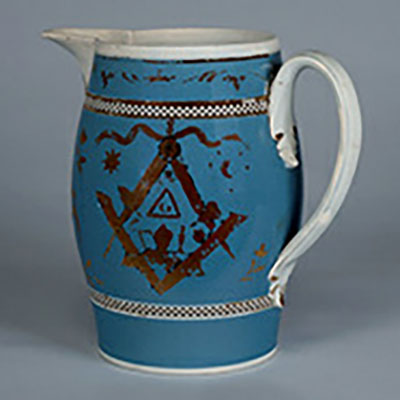
Freemasonry At The Table
In its early history, the Masonic Fraternity met in taverns, sharing conviviality and performing rituals over drinks. While the practice of consuming alcohol in Lodge rooms was lost during the prohibition, historic drinking implements and glassware adorned with Masonic symbols serve as reminders of this joyful tradition. Today, they offer a glimpse into Freemasonry’s past. Read more
-
Freemasonry and the Declaration of Independence
Freemasons played a significant role in the birth of the United States, closely linked to the Declaration of Independence and the early American colonies. This influence is evidenced by the membership of key figures like Benjamin Franklin, John Hancock, and others. The principles of Freemasonry also align with the ideals of the United States. Read more
-
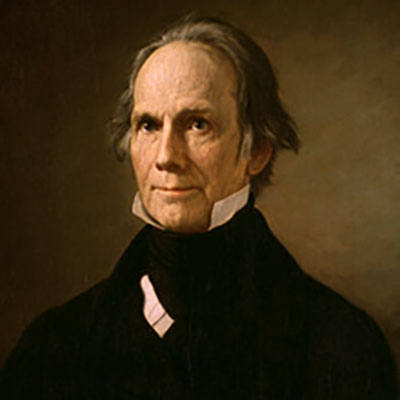
Henry Clay: A Proud American & Proud Mason
Henry Clay, a key figure in American history, excelled in law, politics, and Freemasonry. His influence in the U.S. Senate and House of Representatives earned him the title of “The Great Compromiser,” delaying the Civil War. Appointed Secretary of State under John Quincy Adams, he famously proclaimed, “I would rather be right than be President.” Read more
-
Befriend & Relieve Every Brother: Freemasons Under Two Flags
In 1860, tensions rose in the US as factions in the North and South sought war for different reasons. Freemasons worked to prevent disunion and promote their ideals. During the Civil War, they supported their causes but remembered their fraternal bond. Masonic military lodges were established, and after the war, both sides worked for reunification. Read more
-
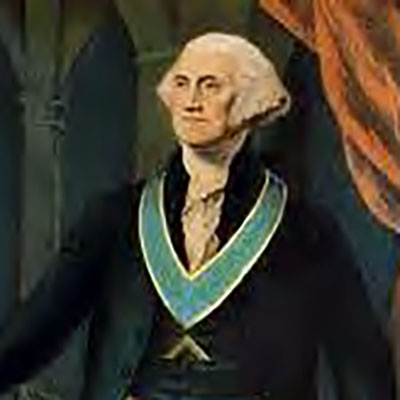
A Masonic Presence at Washington’s Inauguration
In April 1789, George Washington’s inauguration held special significance for the Masonic Fraternity. As the first President and a dedicated Mason, Washington’s public service exemplified Masonic teachings. His journey to presidency, marked by unanimous electoral votes and a memorable inauguration, reflected his commitment to his fellow citizens and the shaping of a nation. Read more
 Unity Lodge No. 146