Category: Education
-
A Study of Freemasonry
Freemasonry, with its ancient and preserved practices, sparks curiosity and debate within the Fraternity. From a unique calendar system to the shared history of Hiram, King Solomon, and Hiram Abif, the Masonic ties run deep. The study of Freemasonry’s origins unfolds as scholars and brethren alike seek the truth behind these timeless traditions. Read more
-
The Silent Summons
A dedicated Lodge member’s sudden absence prompts the Worshipful Master to visit him. In a silent but powerful gesture, the Worshipful Master rekindles a dying ember, symbolizing the brother’s waning connection to the Lodge. Moved by this, the brother commits to returning for the next meeting, reaffirming his bond with the community. Read more
-
Fourth of July
As Freemasons, we honor the anniversary of the Declaration of American Independence, recognizing its significance in our country’s history and the development of our Fraternity. We believe in the enduring principles that have made America great and advocate for greater civic engagement, respect for the law, and unity among all citizens for a prosperous future. Read more
-
Freemasonry and Patriotism
The content highlights the connection between Freemasonry and patriotism, emphasizing the values of duty, sacrifice, and unity. It explores the role of Freemasons in American history and their commitment to the principles of freedom and citizenship. The text reflects on the significance of the American flag and the responsibility of upholding patriotic ideals. Read more
-
Truman’s Entered Apprentice Reply
Harry Truman addressed the issue of individuals wearing Masonic symbols before completing the first three degrees. He emphasized the importance of reasoning with such individuals to discourage premature display of affiliation. Truman’s stance reflects a concern for upholding the integrity of the Fraternity. Read more
-
Masons care about children
The presentation discusses the formation of “The National Masonic Foundation For The Prevention of Drug and Alcohol Abuse Among Children” and the challenges of addressing substance abuse in young people. The foundation’s efforts in Pennsylvania are outlined, emphasizing the importance of collaboration and education in tackling these issues. Read more
-
Beginning the Journey
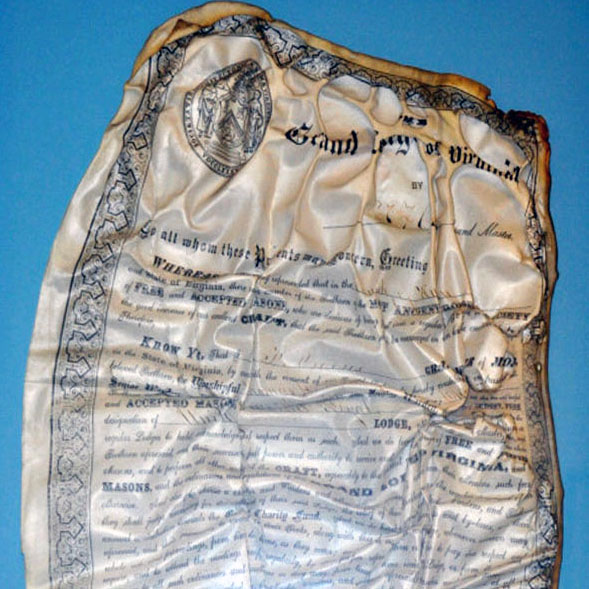
The Grand Lodge of Manitoba in October 1947 emphasizes that Freemasonry’s teachings cannot be grasped quickly. The initial degree only points the way; true understanding requires effort and study. As an Entered Apprentice, one must actively seek knowledge and apply it, for true Masonic growth. The candidate’s commitment determines their success as a Freemason. Read more
-
St. Patrick & Freemasonry
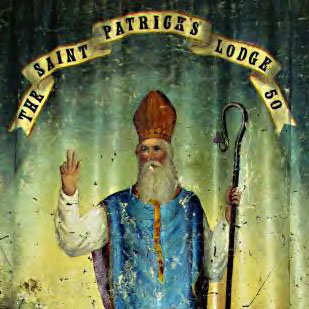
St. Patrick’s influence on Irish Freemasonry is reflected in lodges worldwide, beginning with Lodge No 77 in 1737. Armagh, Ballyvesey, Dungannon, New Zealand, South Africa, India, and Singapore followed suit. This enduring tradition spans 275 years, highlighting the deep connection between St. Patrick and Irish Freemasonry. Read more
-
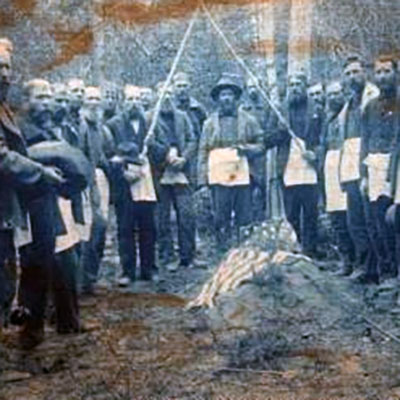
Robert Herd
In brotherhood, we find comfort in the knowledge that we are not alone, even in death – Robert Herd. Read more
-
A Revolutionary Suggestion
In “A Revolutionary Suggestion,” D. McN. Lowe advocates a return to the instructive practices of ancient Operative Lodges, where officers were skilled craftsmen. He criticizes the modern promotion of Masons solely versed in ritual repetition, proposing a revival of educational prerequisites for leadership roles, fostering a deeper understanding of Masonic principles and symbolism. Read more
-

The Story of the Forget-Me-Not Emblem
The Forget-Me-Not Emblem, a symbol in German Masonry from 1926, gained prominence between World War 1 and 2. Amidst Nazi threats in 1934, it became a substitute for Masonic identification, surviving through charity and symbolizing Masonry’s resilience. Adopted by the Grand Lodge of the Sun in 1947, it represents the rekindling of Masonic light. Read more
-
Masonic Etiquette Protocol & Decorum
The December 2012 Trestle Board of Unity Masonic Lodge 146 features a piece on Masonic Etiquette, stressing the importance of comprehensive education beyond catechism memorization. It emphasizes Masonic beliefs in God, moral law, and rejection of bigotry. Freemasons are urged to be law-abiding citizens, promote peace, and exhibit virtues like patience and forbearance. Read more
 Unity Lodge No. 146