Tag: New York
-
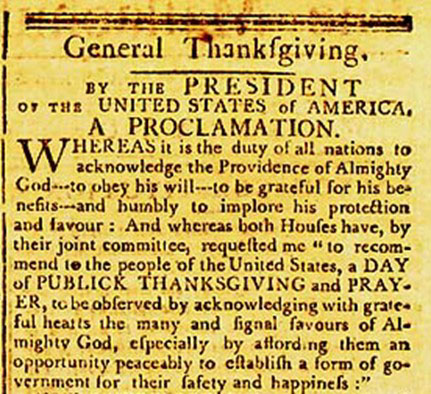
George Washington’s 1789 Thanksgiving Proclamation
In 1789, George Washington’s Thanksgiving Proclamation, lost for 130 years, called for a day of thanksgiving and prayer. It highlights gratitude for the country’s establishment, peace, and the liberties and knowledge enjoyed. It also seeks forgiveness for transgressions and asks for prosperity and wise governance. It is now housed in the Library of Congress. Read more
-
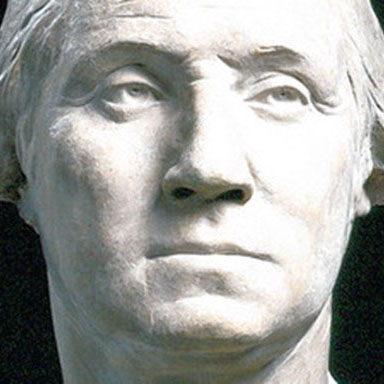
Washington Didn’t write the rules, he lived them
The article commemorates Father’s Day and discusses Washington’s “Rules of Civility & Decent Behaviour.” The author reflects on their relevance in modern society and their origin, emphasizing their role in shaping Washington’s character. The piece urges readers to contemplate and live by these rules, providing a link to an interactive digital version for further exploration. Read more
-
Freemasonry and the Declaration of Independence
Freemasons played a significant role in the birth of the United States, closely linked to the Declaration of Independence and the early American colonies. This influence is evidenced by the membership of key figures like Benjamin Franklin, John Hancock, and others. The principles of Freemasonry also align with the ideals of the United States. Read more
-
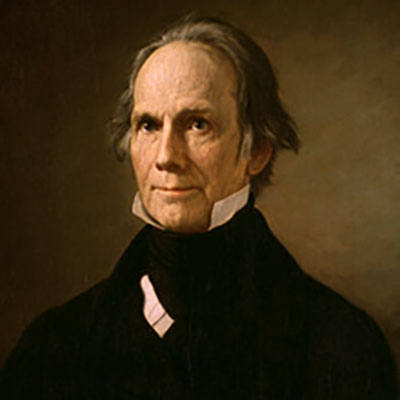
Henry Clay: A Proud American & Proud Mason
Henry Clay, a key figure in American history, excelled in law, politics, and Freemasonry. His influence in the U.S. Senate and House of Representatives earned him the title of “The Great Compromiser,” delaying the Civil War. Appointed Secretary of State under John Quincy Adams, he famously proclaimed, “I would rather be right than be President.” Read more
-
Masonic Etiquette
The Masonic Fraternity, the world’s oldest, is distinguished by its ritual, tradition, and Masonic Etiquette. Etiquette ensures harmony and respect. It encompasses behavior at the Lodge, addressing the Worshipful Master, ballot conduct, attire, and discussion rules. Upholding etiquette fosters pride in the fraternity and reflects its dignity and respect. Read more
-
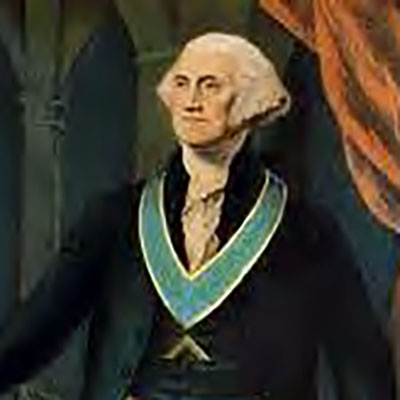
A Masonic Presence at Washington’s Inauguration
In April 1789, George Washington’s inauguration held special significance for the Masonic Fraternity. As the first President and a dedicated Mason, Washington’s public service exemplified Masonic teachings. His journey to presidency, marked by unanimous electoral votes and a memorable inauguration, reflected his commitment to his fellow citizens and the shaping of a nation. Read more
-
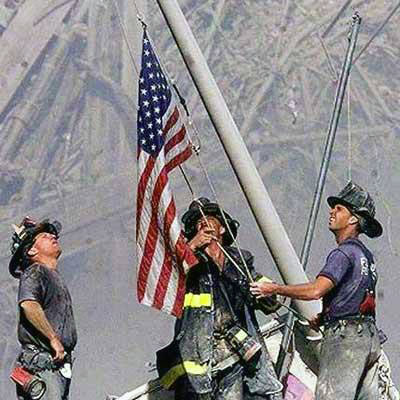
Never Forget
Unity Lodge No. 146 honors and remembers the events of 9/11, joining the nation in reflection with a poignant image of three firemen raising the American flag at the World Trade Center. #Neverforget Read more
-
Fourth of July
As Freemasons, we honor the anniversary of the Declaration of American Independence, recognizing its significance in our country’s history and the development of our Fraternity. We believe in the enduring principles that have made America great and advocate for greater civic engagement, respect for the law, and unity among all citizens for a prosperous future. Read more
-

History
The history of Masonic Lodges in Front Royal, Virginia from 1799 to 1956 is documented. It includes the founding and organizational activities of three lodges and their struggles for a permanent meeting place, culminating in the debt-free Masonic Temple. The lodges’ perseverance and progress are evident in their by-laws revisions and resolutions. Read more
-
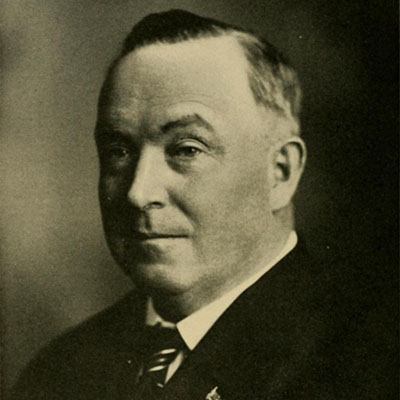
Benjamin James Hillidge
Benjamin James Hillidge, mayor of Front Royal since 1918, is a dedicated and influential figure. Born in New York in 1871, his career includes teaching, railway work, and founding the Locust Pin Company, recognized for its contributions during World War I. He is also involved in various business, community, and civic roles. Read more
 Unity Lodge No. 146